The Allahabad High Court has set aside the conviction of Mohammad Ilyas who was serving a life sentence for the 1996 bomb blast in a roadways bus at Modinagar, Ghaziabad, observing that the trial court had erroneously relied on an inadmissible confession recorded by the police.
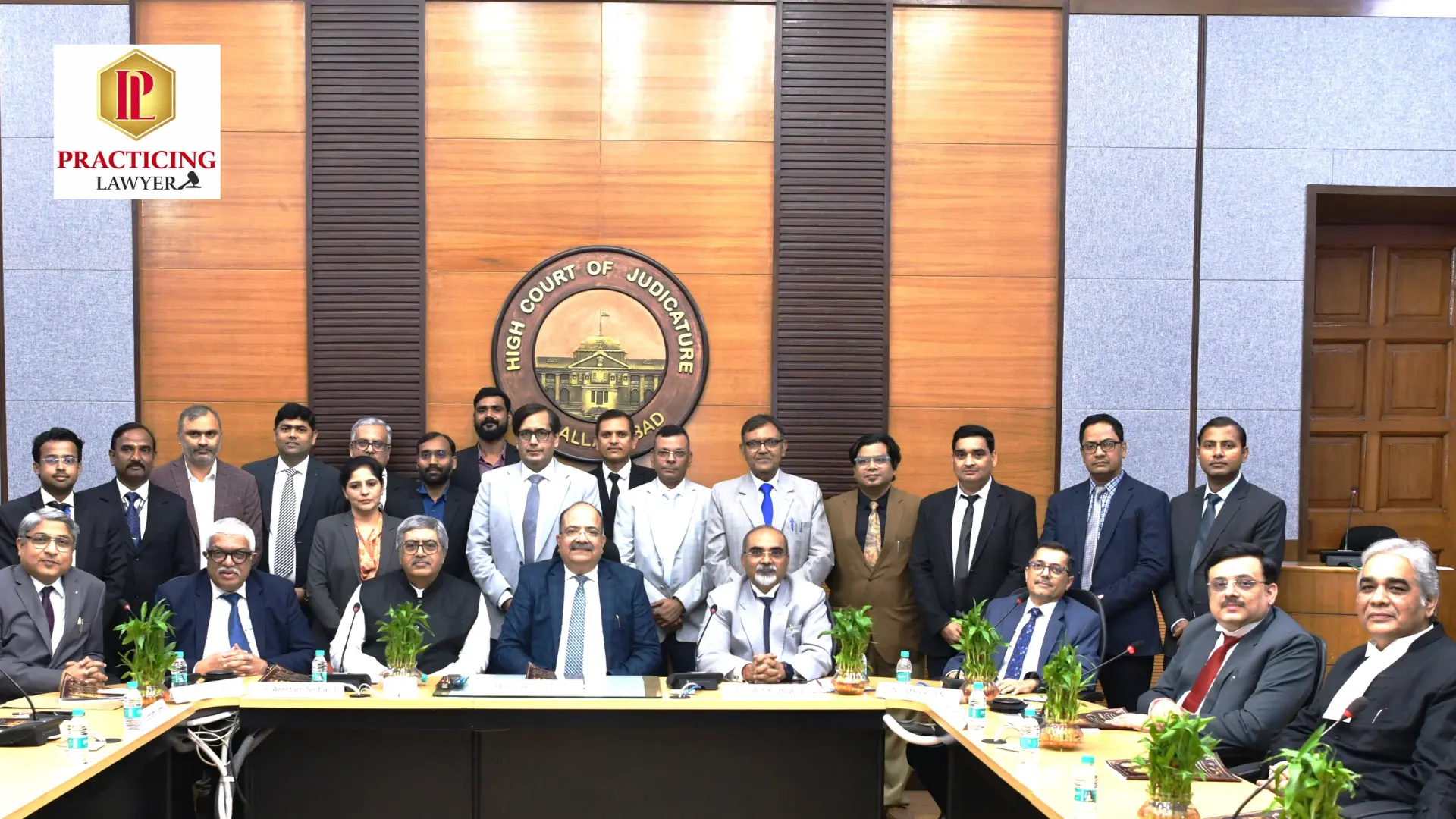
A Division Bench of Justice Siddharth and Justice Ram Manohar Narayan Mishra allowed his appeal, noting that there was neither any eyewitness account, nor any recovery, nor any independent evidence connecting him to the conspiracy or the explosion.
In its 51-page judgment, the Court held that the alleged confessional statement, recorded by the police, was completely barred under Section 25 of the Evidence Act and could not be used as evidence. Once this confession was excluded, no other legally admissible material remained against the appellant.
According to the prosecution, a bus from Roorkee Depot left Delhi on 27 April 1996 at 15:55 hours with around 53 passengers. Fourteen more passengers boarded at Mohan Nagar. Around 5 PM, soon after the bus crossed the Modinagar police station (Ghaziabad), a powerful blast occurred in the front section of the bus, killing 10 people on the spot and injuring nearly 48 others. Post-mortem reports revealed metal fragments in the bodies of the deceased. Forensic analysis confirmed that RDX mixed with carbon had been placed below the driver’s seat on the left side and detonated via a remote device.
The prosecution alleged that Pakistani national Abdul Mateen alias Iqbal, said to be a district commander of Harqat-ul-Ansar, had conspired with Mohammad Ilyas (the appellant) and Tasleem to execute the attack. It was claimed that Ilyas, originally from Muzaffarnagar and residing in Ludhiana, had been influenced by elements in Jammu and Kashmir and had participated in planning the blast.
In 2013, the trial court acquitted co-accused Tasleem but convicted Ilyas and Abdul Mateen under various sections of IPC, Sections 4/5 of the Explosive Substances Act and Section 12 of Foreigners Act, sentencing them to life imprisonment along with other rigorous punishments and fines. The State did not challenge Tasleem’s acquittal.
The central question before the High Court was whether the alleged confession made by Ilyas before the police was admissible. The police claimed that after Ilyas was arrested in Ludhiana in 1997, he confessed in the presence of his father and brother, and that the statement was recorded on an audio cassette by a CB-CID officer.
The Court observed that although 34 prosecution witnesses, including injured passengers, on-the-spot witnesses, doctors, and investigating officers etc. proved the occurrence of the incident, none could identify who placed the bomb, as the explosive had been hidden even before the bus departed from Delhi ISBT. Witnesses who were said to have heard Ilyas’s extra-judicial confession either turned hostile or gave contradictory testimony.
The Bench held that the audio-recorded statement before a senior police officer was completely inadmissible under Section 25 of the Evidence Act. The prosecution attempted to rely on Section 15 of Terrorist and Disruptive Activities
(Prevention) Act, 1987, but the Court clarified that the TADA Act had lapsed by April 1996, and therefore its special provision making police-recorded confessions admissible did not apply. Moreover, the tape recorder allegedly used for recording the statement was never produced in court.
Other material, such as the Jammu Tawi train ticket and a diary allegedly linked to a person named “Saleem Kari,” was found insufficient to prove involvement in the crime. The Court concluded that the prosecution had utterly failed to establish either the conspiracy or Ilyas’s role in planting the bomb.
Setting aside the 2013 conviction order the High Court directed the immediate release of Ilyas upon furnishing a personal bond and two sureties under Section 437-A Cr.PC. However, the Bench expressed deep anguish over the gravity of the incident, remarking that “We are recording acquittal in this case with a heavy heart as the case is of such a propensity that it shocks the conscience of the society as 18 innocent persons lost their life in the terrorist plot.”
Case: Mohd. Ilyas vs State of U.P.