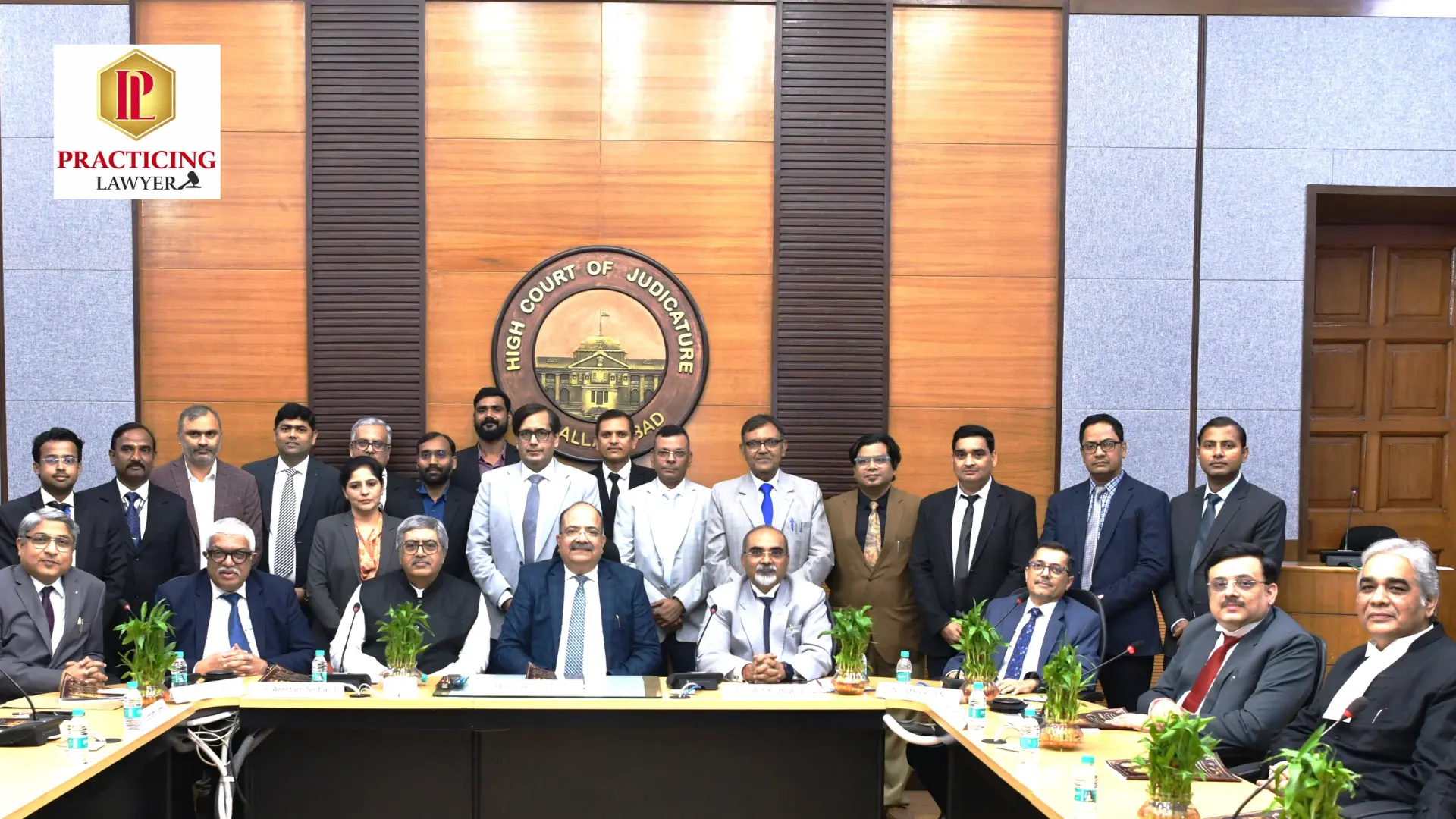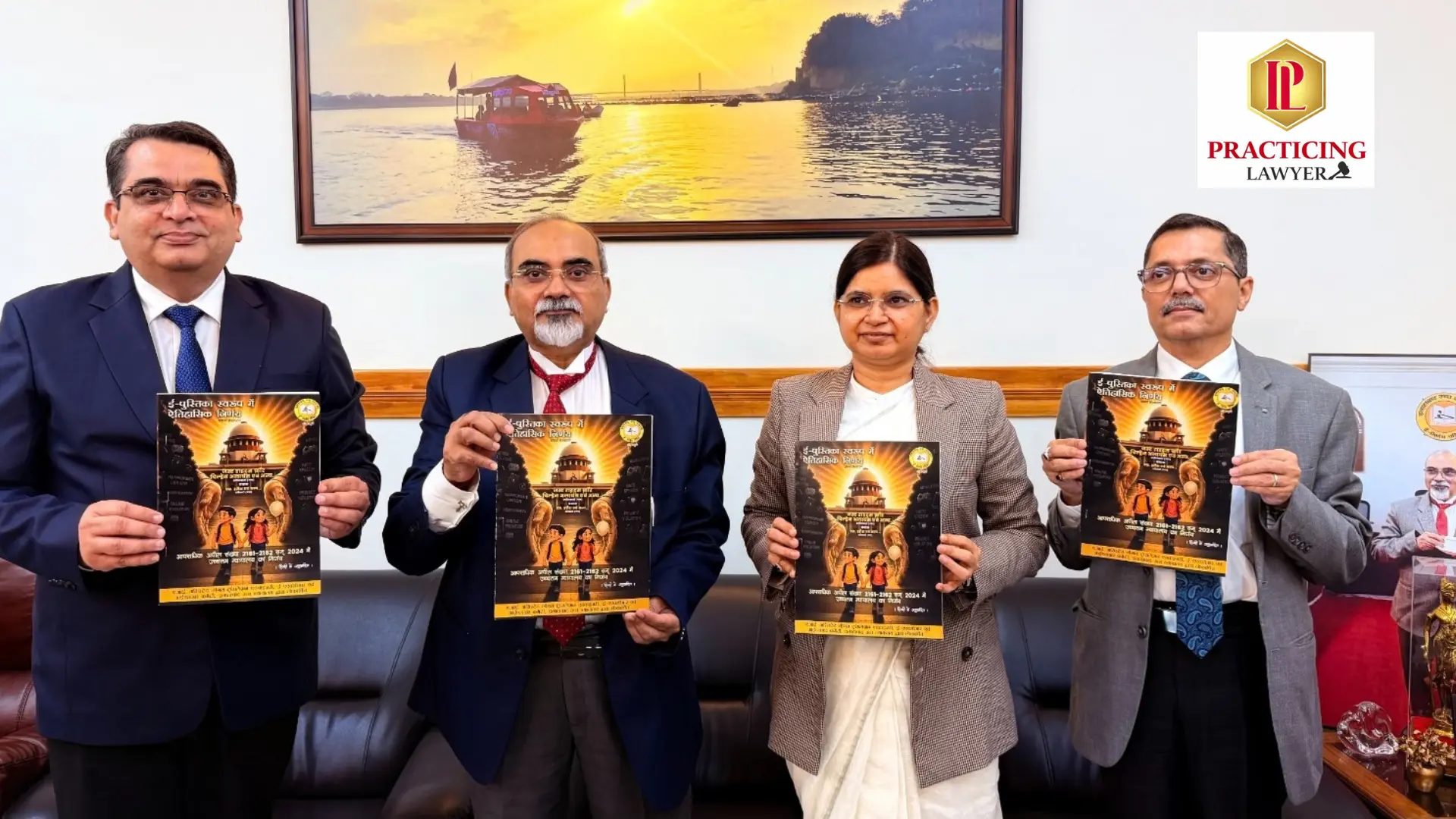
The Allahabad High Court, while granting bail to an accused in an alleged cheating case related to the Railway Protection Force (RPF) Constable recruitment examination, held that the criminal proceedings initiated under the U.P. Public Examinations (Prevention of Unfair Means) Act, 2024 (U.P.Act No.8 of 2024) were legally erroneous. The Court clarified that examinations conducted by or on behalf of the Railway Board do not come within the scope of the State Act, but are governed by the Public Examination (Prevention of Unfair Means) Act 2024 enacted by Parliament as Act No.1 of 2024. Any prosecution under the State law in such cases was therefore held to be unsustainable. While delineating the scope of action against the use of unfair means in examinations and clarifying the respective fields of operation of the Central and State enactments, the Court observed:
“………unfair means used in any examination conducted by the Central Government authorities as mentioned in the Schedule of the Act No. 1 of 2024 would come within the purview of the Act No.1 of 2024 and the criminal proceeding shall be conducted under the Act No.1of 2024, not under the U.P. Act No.8 of 2024.”
Elaborating on the provisions of U.P. Act No.8 of 2024, the Court further held:
“…………….the U.P. Act No. 8 of 2024 is applicable for public examinations conducted by the examining authorities mentioned in Section 2(c) of the U.P. Act No. 8 of 2024, but no penalty or sanction can be imposed against the candidate using unfair means in the examinations for acquiring academic, technical, professional or other qualifications.”
The said order was passed by a Single Bench of Justice Arun Kumar Singh Deshwal while granting bail to the applicant, Vikas Kumar.
According to the facts of the case, the Railway Board had entrusted Tata Consultancy Services Ltd. with the responsibility of conducting the RPF Constable recruitment examination. An FIR was lodged at Police Station Etmadpur, Agra, against the applicant under Sections 7 and 13(3) of the U.P. Public Examinations (Prevention of Unfair Means) Act, alleging that an unknown person had appeared in the examination in place of the applicant and three other candidates. Counsel for the applicant submitted that the alleged unknown impersonator had not been arrested till date and that there was no material on record to establish the applicant’s involvement in any criminal activity. It was further argued that the entire prosecution was contrary to law, as any alleged unfair means used in an examination conducted on behalf of the Railway Board would not fall under the U.P. Act, but under the Central Act enacted by Parliament. After undertaking a detailed analysis of the Central and State statutory provisions, the Court relied upon the settled legal position and observed:
“…….once the Central Government framed law regarding some criminal action, then prosecution of the same can be conducted under the Central Act even if there is Act of the State Government on that issue.”
In conclusion, the Court categorically held:
“……….the prosecution against the applicant under the U.P. Act No.8 of 2024 itself appears to be erroneous as the public examination was not conducted by the State Government authorities, but by the Central Government authority………”
On this consideration, the High Court held that the proceedings initiated under the U.P. Act were unsustainable. Taking into account that the applicant had no criminal antecedents and had been in judicial custody for a considerable period, the Court found him entitled to conditional bail.
Case: Vikas Kumar vs State Of U.P. Through Principal Secretary Revenue Government Of U.P. At Lucknow