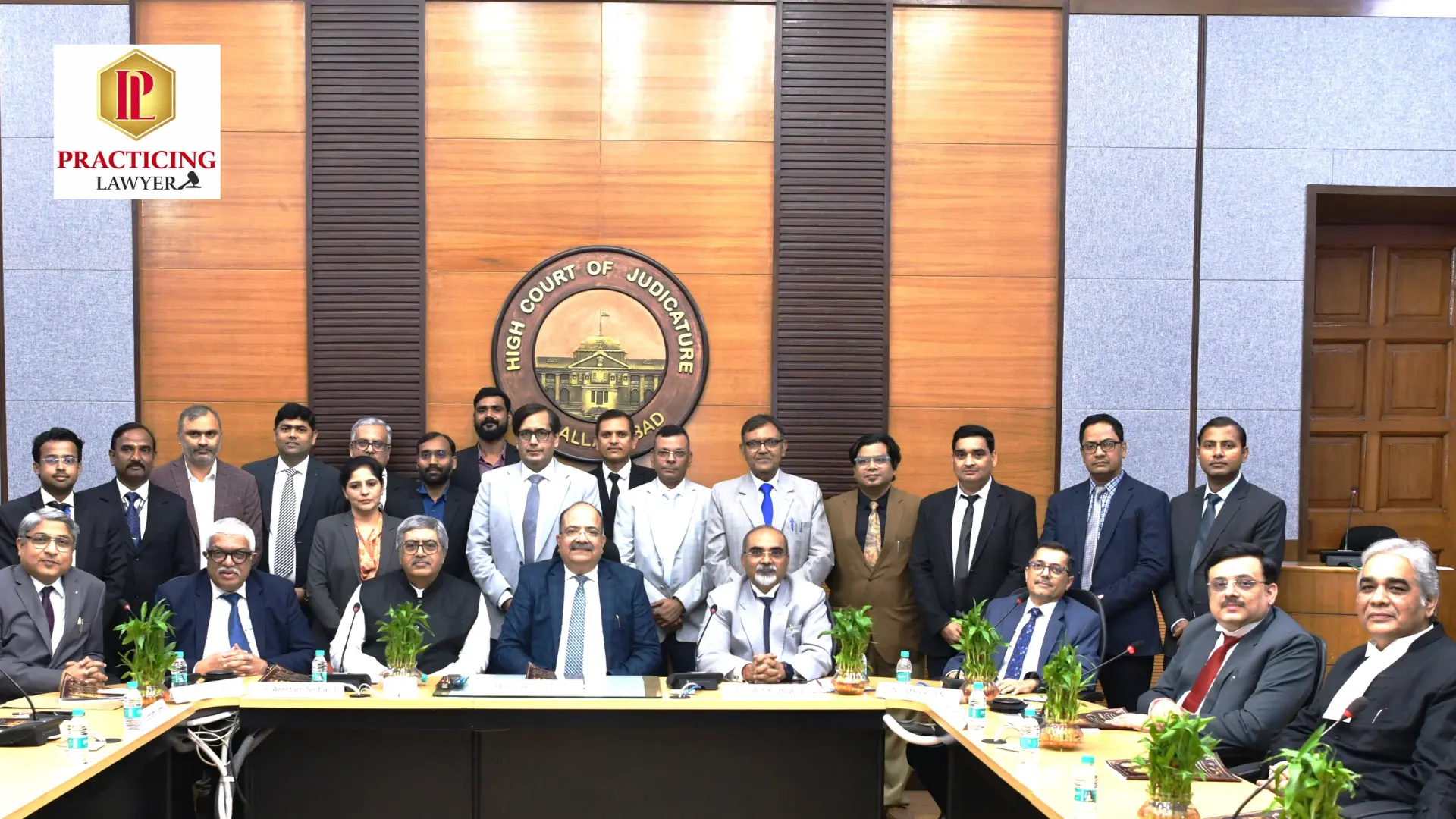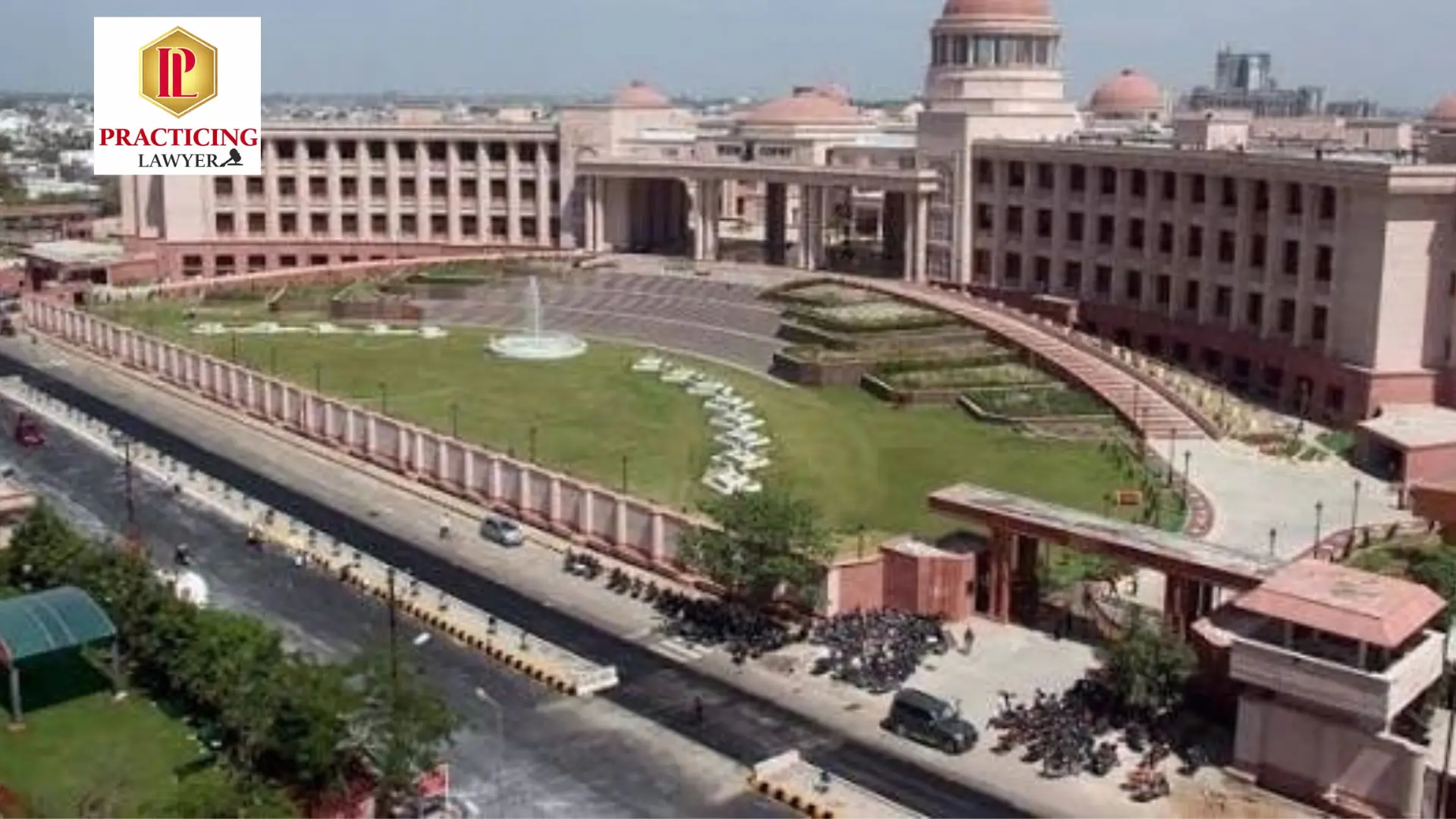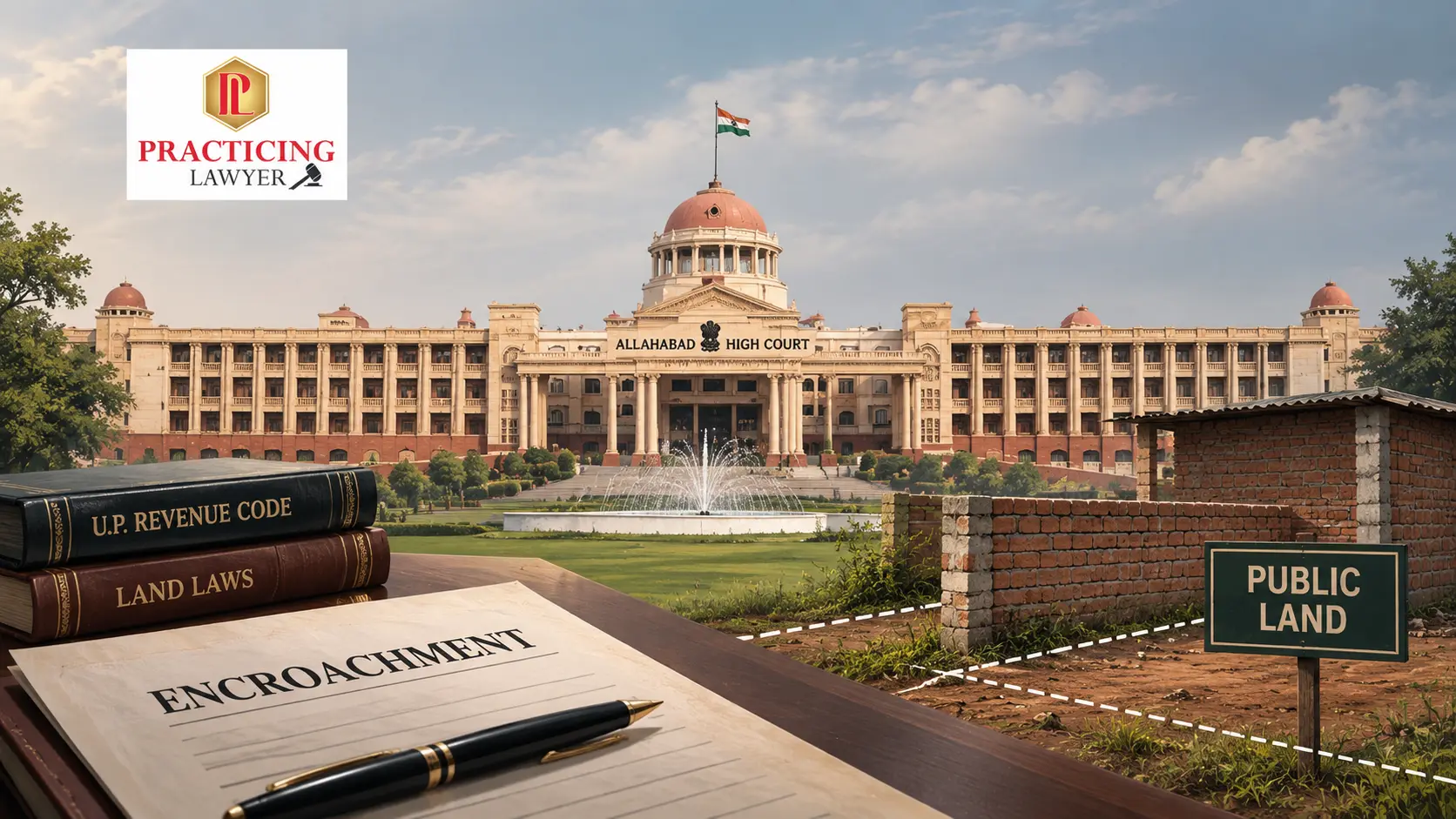
The Allahabad High Court (Lucknow Bench) has dismissed a writ petition challenging proceedings under Section 67 of the U.P. Revenue Code, 2006, holding that the petitioner had been given sufficient opportunity to substantiate his claim but failed to produce any evidence for nearly five years.
The court also noted that where encroachment upon public land is established in accordance with law, the authorities cannot be expected to adopt an unduly lenient approach.
It observed that the petitioner’s plea that he was denied an effective opportunity of hearing “cannot furnish a ground to hold that the petitioner was denied an effective opportunity of hearing.”
The aforesaid order was passed by Justice Karunesh Singh Pawar on the writ petition filed by Gorakhnath Dubey against the State of Uttar Pradesh.
Read also: Allahabad High Court Directs Deletion of Names of Advocates Failing to Qualify AIBE Under Rule 9
The petitioner was represented by advocates Anand Dubey and Prashant Dubey, while the State was represented by the Chief Standing Counsel.
The petitioner had challenged the orders passed in proceedings under Section 67 of the U.P. Revenue Code relating to alleged encroachment over Gata No. 954-Kha, measuring 0.006 hectare, recorded as Naveen Parti land belonging to the Gaon Sabha in village Kakoli, Pargana Paschimrath, Tehsil Bikapur, District Ayodhya.
According to the record, proceedings under Section 67 were initiated on the basis of a report submitted by the Lekhpal on April 24, 2018.
The Lekhpal’s report alleged that the petitioner had occupied 0.006 hectares of the adjoining public land and raised a pucca residential house and boundary wall over it.
Read also: Delhi High Court Allows Compassionate Appointment, Rejects Notional Income on Terminal Benefits
The petitioner filed his objection on July 9, 2018, asking for time to place evidence on record. The proceedings, however, remained pending until March 2023, but during this entire period the petitioner did not produce any evidence to substantiate his objection.
The petitioner had contended that his residential house and boundary wall were situated on Gata Nos. 949, 953 and 955 and that he had not encroached upon Gata No. 954-Kha.
He also argued that the area shown in the revenue map was less than the area recorded in the Khatauni. It was further submitted that he could not appear before the authority because of his chronic ailment and that the authorities had passed non-speaking orders without properly considering the material on record.
The petitioner also relied upon the judgment in Rishi Pal Singh v. State of U.P.,2022 SCC OnLine All 829 contending that the enquiry contemplated under Rule 67(2) of the U.P. Revenue Code Rules, 2016 was a condition precedent to the issuance of notice and that the prescribed procedure had not been followed.
Read also: Literacy, Financial Status Cannot Restrict Railway Accident Compensation: Allahabad High Court
The State, however, submitted that the petitioner’s house and boundary wall stood on land recorded as Naveen Parti, which was public land, and that the encroachment was also apparent from the revenue map.
It further pointed out that the petitioner had been given an opportunity to produce evidence but failed to do so.
The court examined the subsequent judgment in Shahban v. State of U.P., 2026 SCC OnLine All 1246, which considered the guidelines issued in Rishi Pal Singh.
It noted that the coordinate bench had held that the guidelines in Rishi Pal Singh were not mandatory unless adopted by the State by amending the U.P. Revenue Code Rules.
The court therefore found that the petitioner could not claim that failure to follow those guidelines, by itself, rendered the proceedings invalid.
On the petitioner’s plea of illness, the court found that the medical documents placed on record did not establish that he was incapacitated during the period when he was required to participate in the proceedings.
Read also: Allahabad HC Grants 85-Year-Old Retired Police Officer Promotion Benefits From 1980
The documents showed his admission only from November 30, 2023, whereas the original order under Section 67 had already been passed on March 17, 2023.
The court therefore held that the plea of illness could not establish denial of an effective opportunity of hearing.
The court also emphasised the limited scope of interference under Article 226 of the Constitution where there are concurrent findings of fact by the authorities below.
It observed that the High Court ordinarily does not interfere with such findings unless they are perverse, based on no evidence, or suffer from an error of law.
Referring to the Supreme Court’s judgment in Kaniz Ahmed v. Sabuddin, 2025 SCC OnLine SC 995, the court noted that courts must adopt a strict approach in cases of illegal or unauthorized construction and should not facilitate or regularise construction raised without requisite permission.
Read also: Gujarat High Court Quashes GST Recovery Order for Denial of Proper Hearing
It further observed that “Where encroachment upon public land is found to have been established in accordance with law, the authorities are not expected to adopt an unduly lenient approach towards such encroachment.”
Finding no illegality, infirmity or perversity in the orders passed by the authorities below, the High Court held that no interference under Article 226 was warranted.
The writ petition was accordingly dismissed as devoid of merit.
Case: Gorakhnath Dubey vs State Of U.P. Thru. Prin. Secy. Revenue, Lko. And
2 Others
Case No: WRIT – C No. – 9093 of 2026
Date of Order: 18.09.2026
Status: Dismissed