The Allahabad High Court has made one lakh of its judgments in Hindi on its official website, free for anyone to read. The milestone was achieved on October 5, 2026, through the Court’s SUVAS Cell, which has been working to make judicial decisions easier to understand for people who are more comfortable reading Hindi than English.
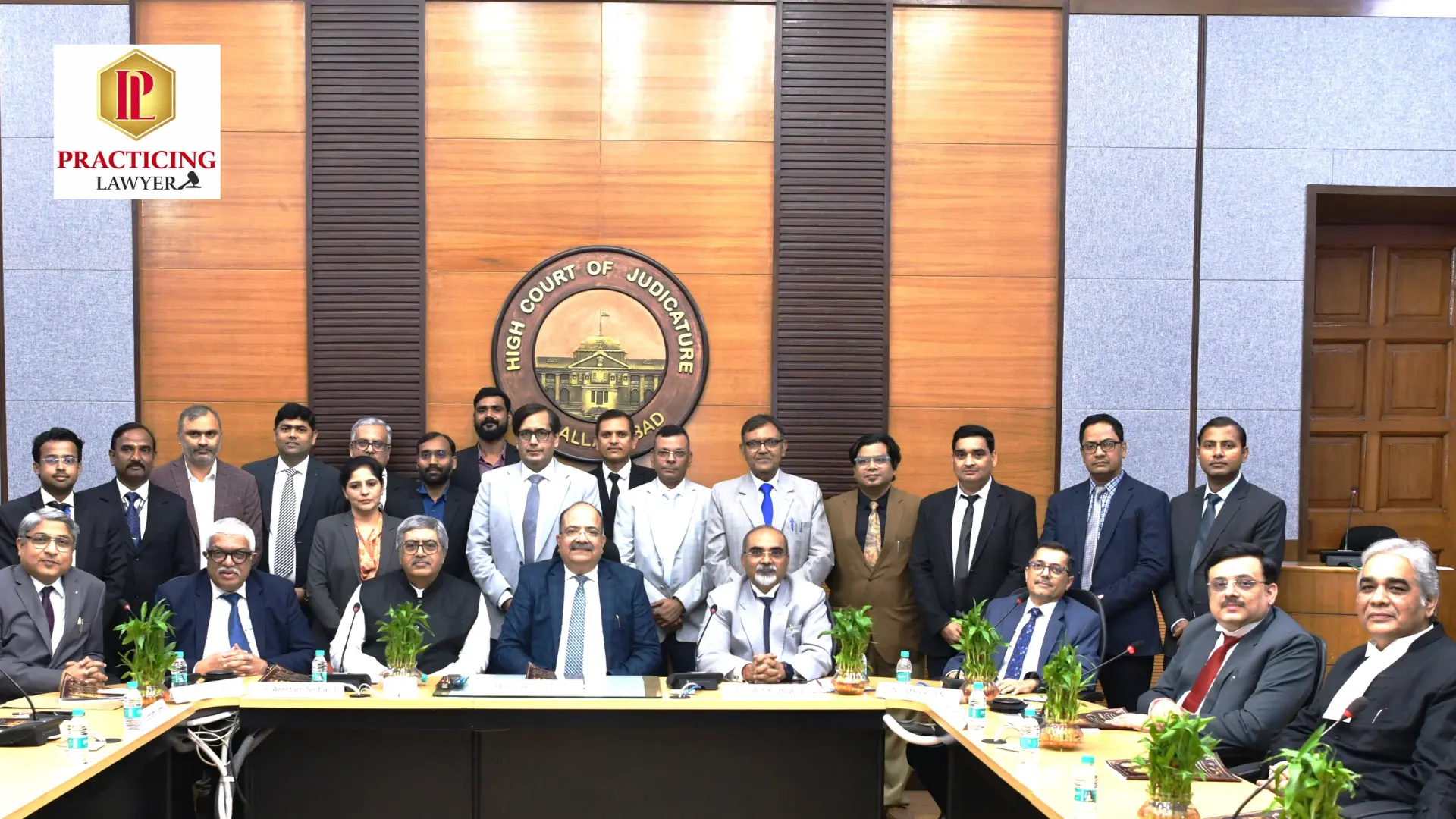
Chief Justice Arun Bhansali marked the occasion by uploading the one-lakhth translated judgment to the court’s website.
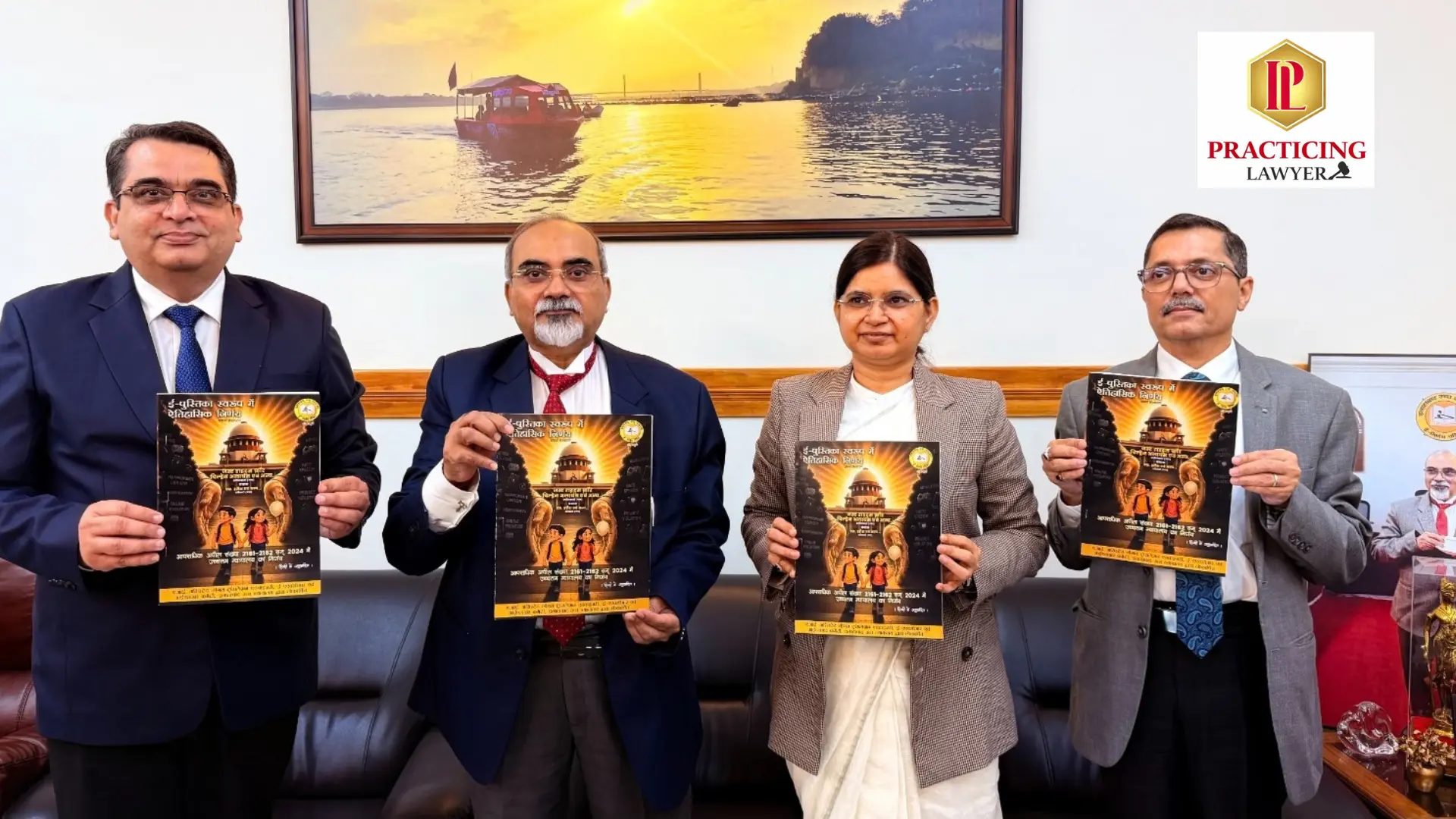
A commemorative compendium, titled “The Vernacular Voice of Justice”, was also released to record the progress of the initiative, from the uploading of the first Hindi translation to the completion of one lakh judgments.
The event was attended by Justice Arindam Sinha, Justice Atul Sreedharan andJustice Siddharth Varma, who are members of the Administrative Committee.
Justice Ajit Kumar, chairman of the AI-Assisted Legal Translation Advisory, e-AHCR and ILR Committee, was also present, along with Justice Sameer Jain and Justice Vikram D. Chauhan. The latter two judges also uploaded judgments to mark the occasion.
The translation project is intended to make court rulings more accessible to lawyers, law students, researchers and members of the public.
Judgments are an important source of legal understanding and precedent, but their availability primarily in English can make them difficult for many people to follow.
Hindi translations provide readers an opportunity to understand judicial decisions in a language they are familiar with.
During the programme, Justice Ajit Kumar thanked the Chief Justice and the other judges for their support and acknowledged the work of the SUVAS Cell.
The judges present appreciated the efforts of those involved in the translation process. Justice Vikram D. Chauhan delivered the vote of thanks, acknowledging the contribution of the judges, senior editors, senior advocates Vinay Saran and Sameer Sharma, registry officials and members of the SUVAS Cell.
Registrar General Manjeet Singh Sheoran, Dr Anil Kumar Singh-II, Registrar (Judicial) (Enquiry) and presenting officer of the committee, Joint Registrar Vivek Srivastava and Deputy Registrar Dr Shabina Farooq also attended the programme.
The contribution of section officers and review officers engaged in the work was acknowledged.
The press release traces the initiative to a broader effort to make judgments of constitutional courts available in regional languages with the help of technology.
Former Chief Justice of India Dr. D.Y. Chandrachud took steps to give the effort a more organised shape.
The Supreme Court initially constituted an AI-Assisted Legal Translation Advisory Committee under the chairmanship of Justice Abhay S. Oka.
On January 23, 2023, the then Chief Justice of India wrote to the chief justices of all High Courts, asking them to set up similar committees to oversee translation work using artificial intelligence.
Read also: Relief for Taxpayers: CBDT Extends Tax Audit and ITR Filing Deadlines for AY 2026-27
The Allahabad High Court subsequently established its SUVAS Cell on August 16, 2023. The first Hindi-translated judgment was uploaded on August 23, 2023.
The number reached 50,000 on December 12, 2025, when the Chief Justice uploaded the milestone judgment.
The next phase began on March 17, 2026, when the Court started translating all final non-AFR orders and judgments running to three or more pages.
The date was chosen on the eve of the 160th anniversary of the establishment of the Allahabad High Court.
The SUVAS Cell translates all Allahabad High Court judgments marked AFR, along with final non-AFR orders and judgments of three or more pages.
Its work also extends to Supreme Court judgments in cases originating in Uttar Pradesh and certain judgments arising from orders passed by the Bombay and Andhra Pradesh High Courts.
According to the figures mentioned in the press release, 9,161 Supreme Court judgments had been translated and furnished to the Supreme Court by November 25, 2023, over a period of a little more than two and a half months.
The initiative has also covered 363 Supreme Court judgments arising from Uttar Pradesh and reported in the Supreme Court Reports, 28 judgments arising from Bombay High Court orders since September 26, 2025, and three judgments arising from Andhra Pradesh High Court orders from the same date.
Read also: Allahabad High Court launches Payment Setu Portal for online traffic challan payments
The Court’s efforts are not limited to translating judgments. It has also brought out publications aimed at making legal writing and important judicial decisions available to a wider readership.
The quarterly electronic magazine “Nyayabha – Nyay Ki Kiran” was launched on November 26, 2024, on Constitution Day.
It carries Hindi translations of articles, speeches, opinions and other writings by judges, advocates, judicial officers, academicians, researchers, legal experts and students.
Artificial intelligence tools are used in preparing the translations. Seven editions had been published by the end of September 2026.
The Court has also published six electronic booklets on significant historical cases.
Read also: Allahabad High Court Directs Deletion of Names of Advocates Failing to Qualify AIBE Under Rule 9
These cover the Chauri Chaura case, the Keshav Singh case, the Agra Conspiracy case, the Cawnpore Bomb Blast case, Raj Narayan v. Indira Nehru Gandhi and a case involving the Just Right for Children Alliance and another under the Protection of Children from Sexual Offences Act.
The translated judgments, magazine and booklets are available free of cost on the Allahabad High Court’s official website.
The one-lakh-judgment milestone marks a substantial expansion of the material available in Hindi and adds to the Court’s continuing efforts to make legal information easier for the public to access.
Category: Press Release