Minor’s Right to Passport Cannot Be Hampered Due to Parental Disputes: Allahabad High Court

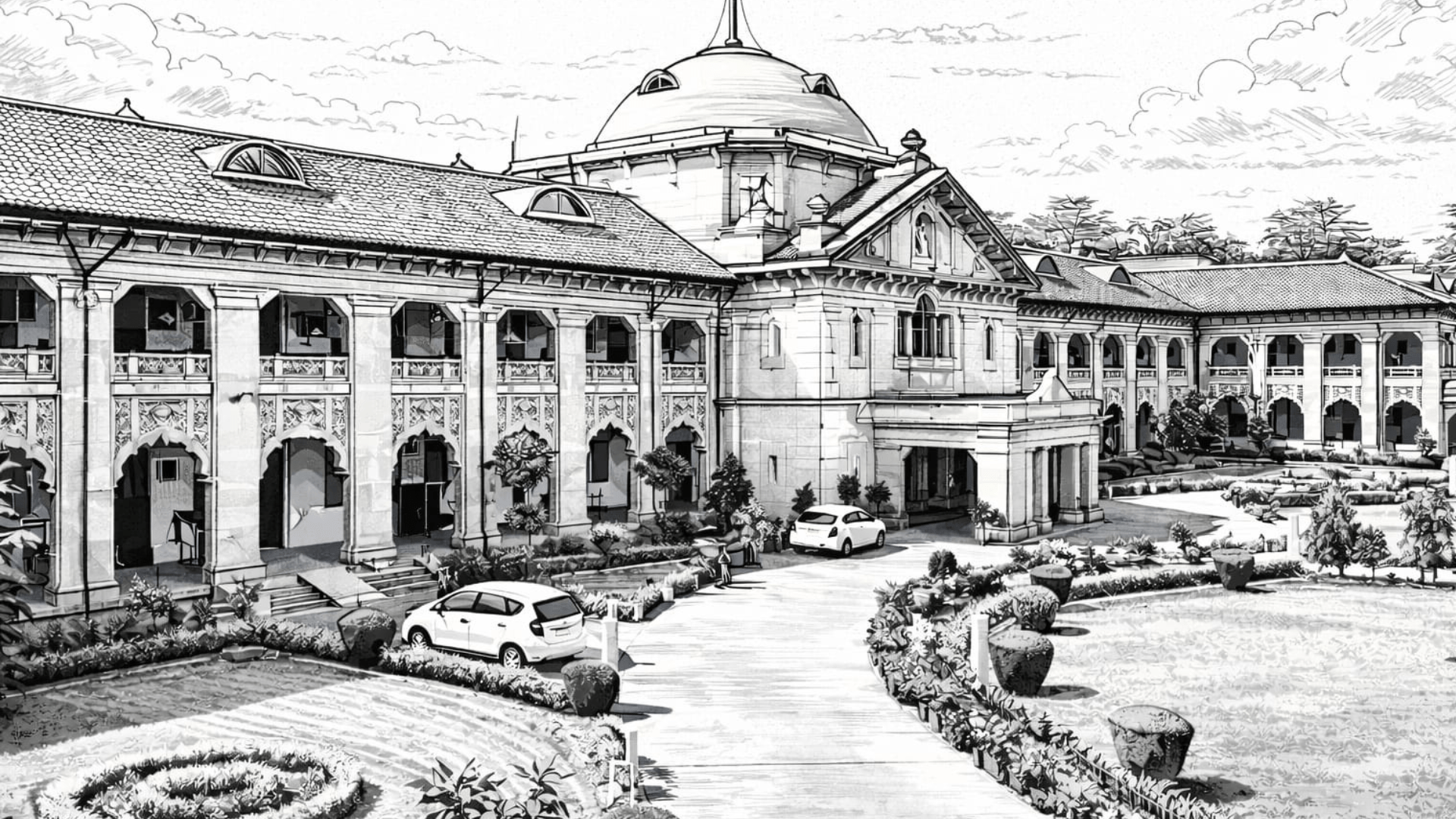
  The Allahabad High Court, while dealing with a case where a minor girl was denied issuance of a passport on the ground of matrimonial dispute between her parents, has held that a minor child’s passport application cannot be withheld or kept pending indefinitely merely because of ongoing matrimonial or criminal disputes between the parents. … Read more

Recording Testimony of a Minor Daughter After Seven Years Not Legally Justified: Supreme Court

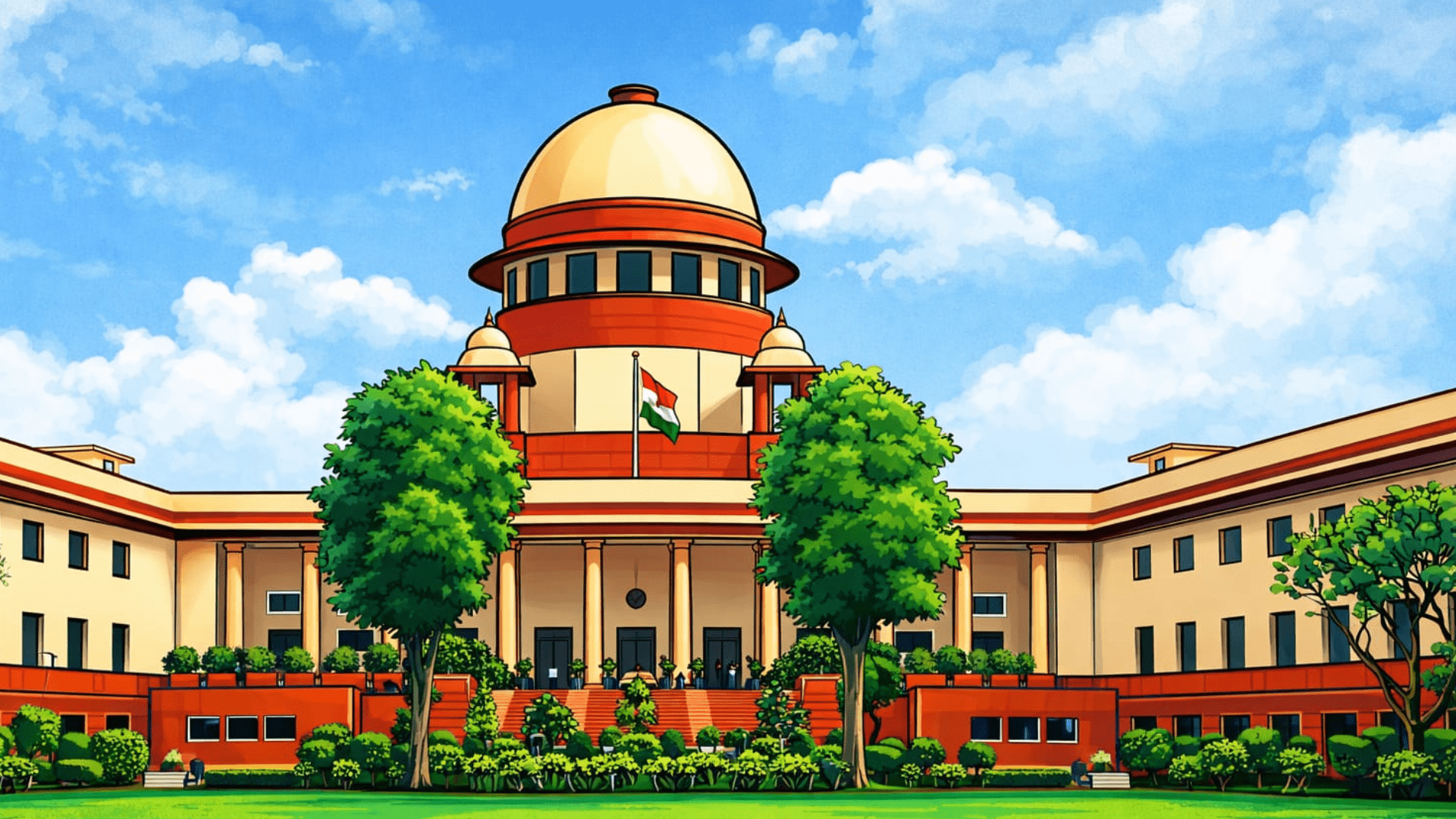
The Supreme Court, while making significant observations in a criminal case relating to dowry harassment and abetment of suicide, has categorically held that producing a minor child as a prosecution witness several years after the incident is neither necessary nor in the interest of justice. The Court observed: “First, there is no material on record … Read more

Accused Released After 24 Years of Incarceration Owing to Judicial Laxity: Allahabad High Court

The Allahabad High Court, while acquitting an accused who had remained in prison for nearly 24 years in a dacoity case, has categorically held that an accused cannot be convicted solely on the basis of an ‘admission’ made under Section 313 of the Code of Criminal Procedure (Now Section 351, BNSS) unless the prosecution leads … Read more

Excluding one legal heir from the property does not render a will invalid: Supreme Court

The Supreme Court, while delivering an important judgment in a family dispute relating to the partition of a father’s property, has clarified that if a will is proved in accordance with law, it cannot be treated as suspicious merely on the ground that one legal heir has been excluded from it. The Supreme Court said … Read more

Pension and gratuity are not charity, but accrued statutory rights: Allahabad High Court

The Allahabad High Court, while delivering an important judgment in a decades-old education service dispute, has held that teachers cannot be deprived of pension, gratuity and salary arrears on the basis of management infighting, administrative apathy or inquiries conducted after several years. The Court observed that: “The State, having accepted their services and paid them … Read more